The Yolo County golden mussel emergency 2026 is an important update for anyone who boats, fishes, paddles, or spends time near local waterways. Yolo County declared a local emergency in July after state officials confirmed golden mussels in and around the Port of West Sacramento.
The discovery matters because golden mussels spread quickly and can attach to boats, docks, pipes, ropes, and other underwater surfaces. They can also clog water systems and compete with native species for food.
The issue is not limited to one marina. Yolo County depends on connected waterways for agriculture, flood control, wildlife habitat, recreation, and water delivery. That makes prevention important even for people who never visit the Port of West Sacramento.
This guide explains what officials have confirmed, why golden mussels are a concern, and what visitors can do to avoid carrying them into another lake, creek, or river.
What the Yolo County Golden Mussel Emergency 2026 Means
The Yolo County Board of Supervisors declared a local emergency on July 21, 2026. The action followed confirmed golden mussel detections in waterways connected to the Sacramento-San Joaquin Delta.
California Department of Fish and Wildlife staff found mussels around the Port of West Sacramento in June. Laboratory testing confirmed the species on June 25.
The County says the emergency declaration gives local agencies more tools to coordinate with state, federal, and regional partners. It can also help the County seek funding and technical support.
The main goal is to protect water infrastructure, agriculture, flood-control systems, native ecosystems, and the regional economy.
Where Golden Mussels Were Found in West Sacramento
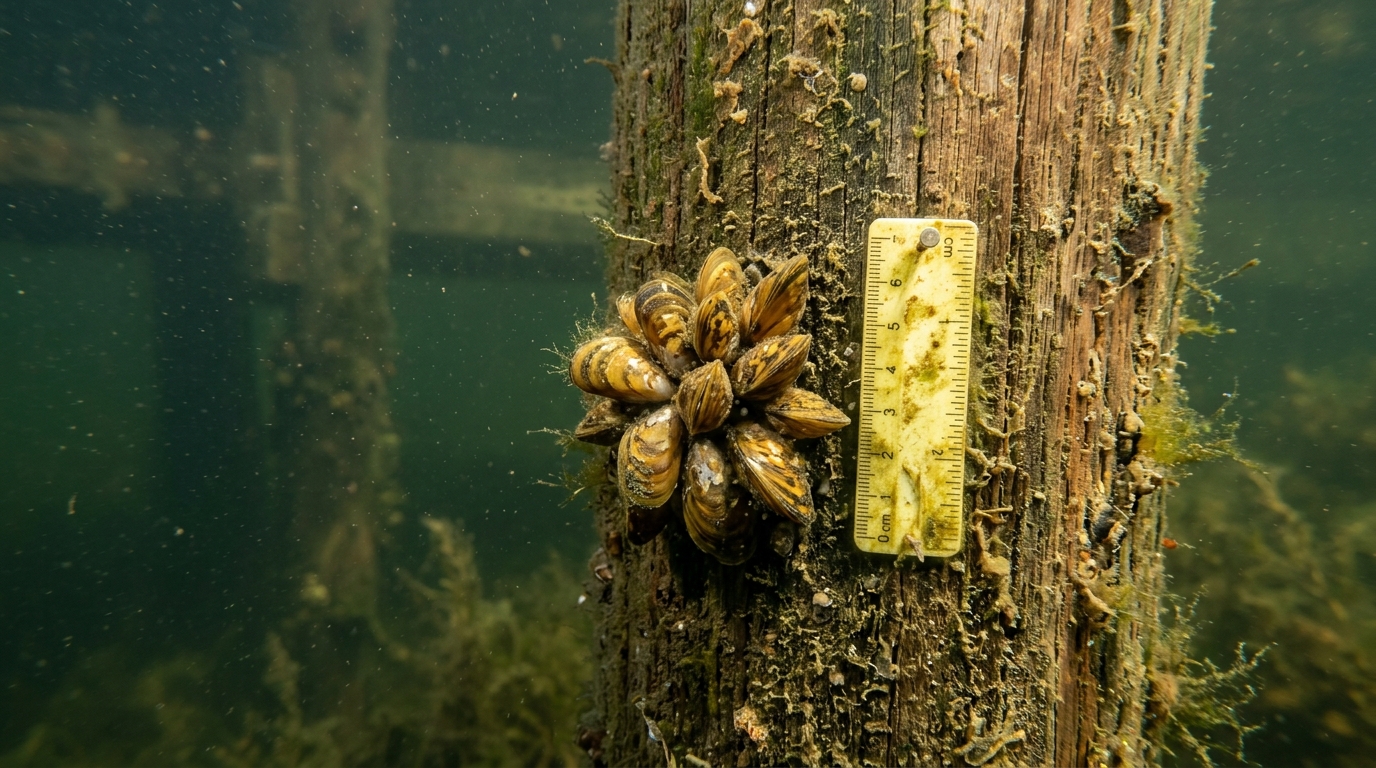
CDFW confirmed golden mussels in and around the Port of West Sacramento. One mussel was collected between the Jefferson Boulevard overpass and the west lock. Another was found near Boathouse Road and Stone Boulevard.
Additional surveys found more mussels around docks in Washington Lake. State officials believe a source population may already exist nearby.
This was a major development because it marked the northernmost confirmed golden mussel detection in California at the time.
The species was first confirmed in North America in October 2024. That first California discovery occurred farther south in the Sacramento-San Joaquin Delta.
Why Golden Mussels Can Spread So Quickly
Golden mussels can attach to many underwater surfaces. Boats, trailers, anchors, ropes, docks, buoys, and aquatic plants can all carry them.
Small mussels or larvae can also move with water. That means bilges, live wells, ballast areas, and other wet equipment can help spread the species between water bodies.
The species can tolerate a wider range of temperature and salinity conditions than some other invasive freshwater mussels. That gives it more opportunities to establish new populations.
Once large colonies form, removal becomes difficult and expensive.
CDFW warns that golden mussels can compete with native and game fish for food. They can also contribute to harmful algal blooms in some conditions.
For people using waterways, the impacts may include inspections, launch restrictions, added fees, or temporary closures if agencies need stronger controls.
Why Yolo County Declared a Local Emergency
The emergency is not based only on boating concerns. Water infrastructure is one of the biggest risks.
Golden mussels can form dense colonies inside pipes and water systems. That can reduce water flow and increase maintenance costs.
Yolo County also has a large agricultural economy. Farms depend on reliable water delivery through a network of canals, pumps, pipes, and other systems.
Flood-control infrastructure is another concern. Yolo County includes the Yolo Bypass, Sacramento River connections, and other major water-management areas.
Damage or extra maintenance in those systems can create costs far beyond a single recreation site.
The ecological effects matter too. Changes in plankton and food supply can affect fish and other aquatic life.
That is why the County is treating the infestation as a long-term regional issue rather than a short-term marina problem.
How Boats, Kayaks and Fishing Gear Can Spread the Mussels
People do not need a large motorboat to move invasive mussels. A kayak, paddleboard, canoe, fishing net, waders, anchor, or life jacket can hold water or small organisms.
The risk increases when equipment moves from one water body to another without cleaning and drying.
CDFW specifically asks recreation users to inspect everything that touched the water. That includes boats, kayaks, paddles, life vests, trailers, and fishing equipment.
Visitors should also check local launch rules before arriving. Some California water bodies may require inspections or other steps designed to stop invasive mussels.
Clean, Drain and Dry Before Visiting Another Waterway
The most important prevention message is simple: Clean, Drain and Dry.
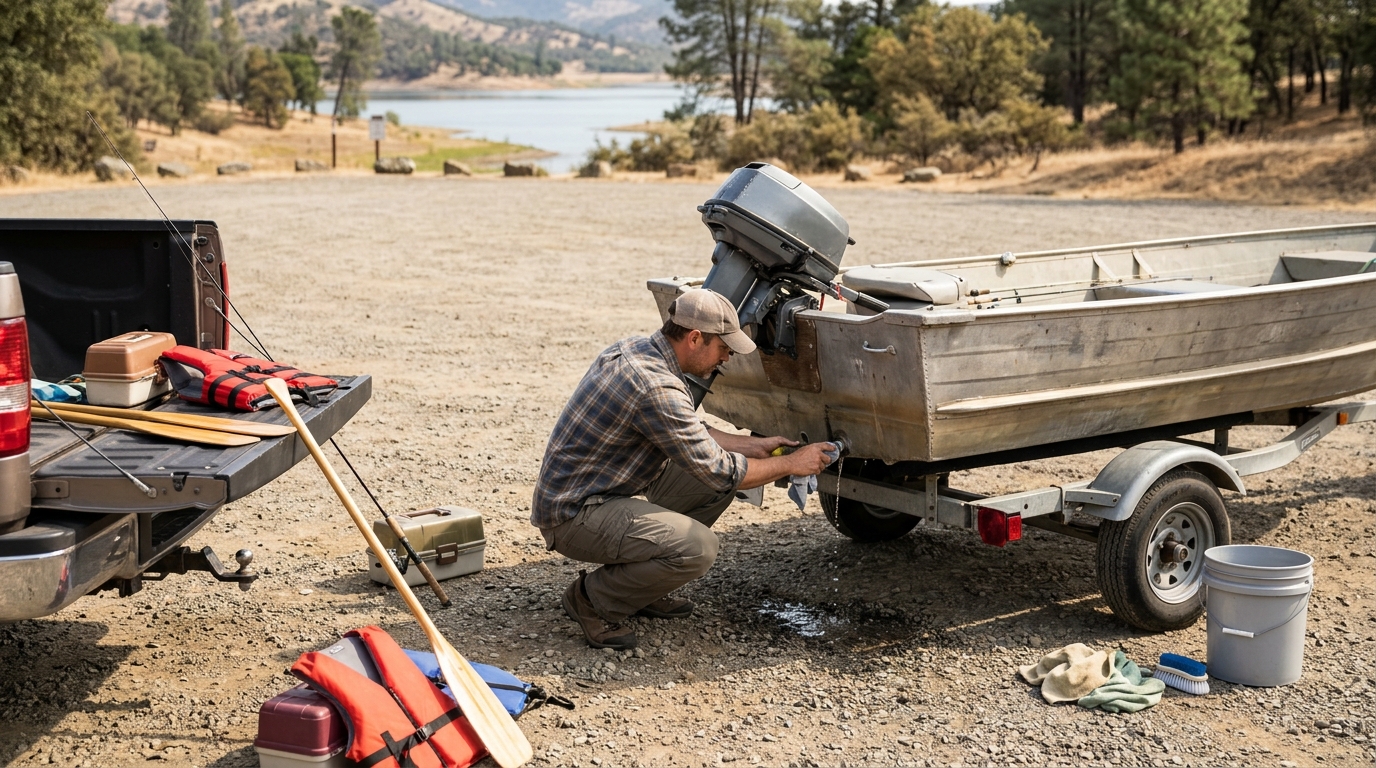
First, remove mud, plants, animals, and other debris from boats and equipment. Put unwanted material in the trash rather than leaving it beside the water.
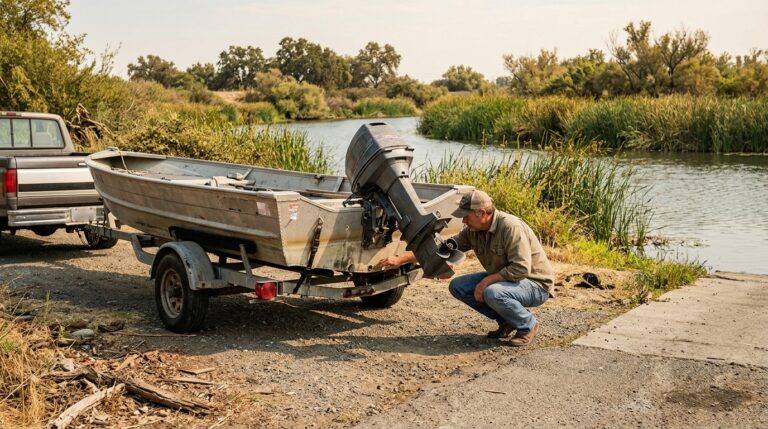
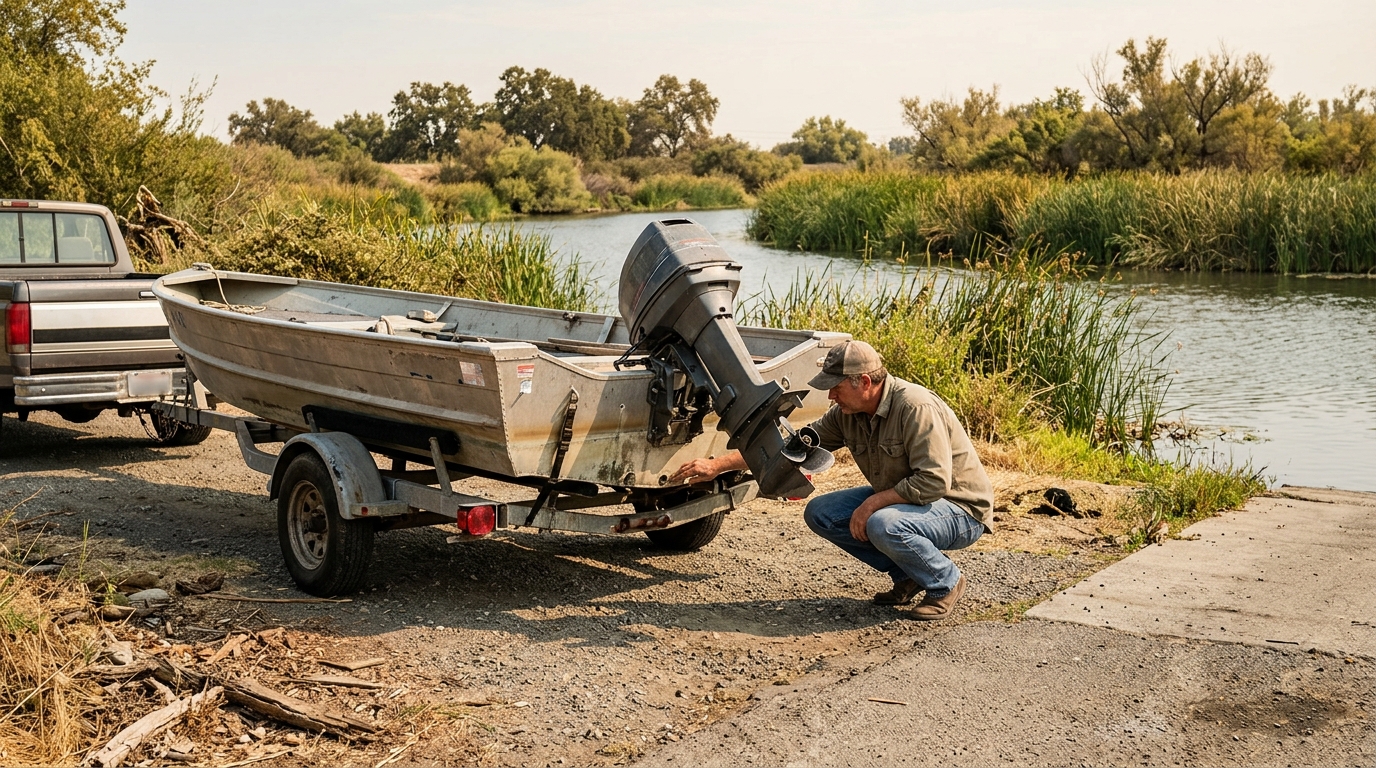
Next, drain every place that can hold water. Check bilges, live wells, buckets, coolers, pumps, and similar spaces.
Finally, allow the equipment to dry completely. Moisture can allow aquatic organisms to survive longer than many people expect.
Do this every time equipment leaves a water body. Do not wait until a trip takes you outside Yolo County.
The rule also applies to paddlers and anglers. A small craft still has wet surfaces, ropes, shoes, and gear that can carry unwanted organisms.
Before an outdoor trip, review our Yolo County Outdoors and Wildlife Guide. It already recommends checking current access rules, closures, and activity-specific requirements before departure.
What Yolo County Visitors Should Know Before a Water-Based Trip
The golden mussel emergency does not mean every Yolo County water destination is closed. It does mean visitors should pay more attention to current rules.
Conditions can differ from one water body to another. A boat launch may require an inspection while another site may restrict certain equipment.
Do not assume rules from a previous trip still apply.
Check the managing agency before bringing a boat, kayak, or other water equipment. That step is especially important if the gear recently touched Delta-connected water.
Outdoor Trips Should Include Invasive-Species Planning
Many Yolo County trips combine several outdoor environments. A visitor may start near the Sacramento River, continue toward wetlands, and finish near Putah Creek.
That type of itinerary makes equipment hygiene even more important.
The Yolo Bypass Fall Birding Guide focuses mainly on wildlife observation rather than boating. Even so, visitors should continue to follow all access rules and avoid moving mud, plants, or aquatic material between locations.
Putah Creek requires its own planning. Fishing, creek access, and other activities may involve different rules from Delta waterways.
Our Yolo County Plan Your Visit guide recommends confirming current closures, permits, weather, and activity rules shortly before departure. The golden mussel issue adds invasive-species checks to that list.
A Practical Checklist Before Launching or Fishing
Check the waterbody manager’s current rules before leaving home. Look for inspection requirements, closures, or launch restrictions.
Inspect your boat and trailer before driving away from the previous water body. Remove plants, mud, and visible organisms.
Drain water from every compartment. Do not transport water from one lake, river, canal, or marina to another.
Dry equipment completely when possible. Pay attention to ropes, life jackets, paddles, fishing gear, and footwear.
Keep a separate towel or cleaning kit in the vehicle. That makes basic equipment care easier between trips.
If you find a mussel that looks unusual, do not move it to another location. Take clear photos and note the exact location.
CDFW accepts suspected golden mussel reports through its invasive species program. Clear close-up photographs help officials review the sighting.
Travelers spending a full weekend in the county can also use our Yolo County Weekend Itinerary to combine towns, food, wildlife, and outdoor stops without moving wet recreation gear between unnecessary locations.
The Yolo County golden mussel emergency 2026 is a serious issue, but residents and visitors can still help reduce the chance of further spread.
The most important action is not complicated. Clean equipment. Drain all water. Let gear dry before using it somewhere else.
The confirmed West Sacramento detections show that golden mussels have already moved farther north through California’s connected water system. Preventing overland movement into separate lakes and waterways is now especially important.
For Yolo County, the stakes include more than recreation. Agriculture, water delivery, flood control, fish, wildlife, and public infrastructure can all face higher costs if the infestation expands.
Visitors do not need to avoid the county’s rivers, wetlands, and outdoor areas. They do need to travel responsibly and check current rules before using watercraft or equipment.
For the latest confirmed detections, prevention guidance, and reporting information, review the California Department of Fish and Wildlife Golden Mussel page before your trip.