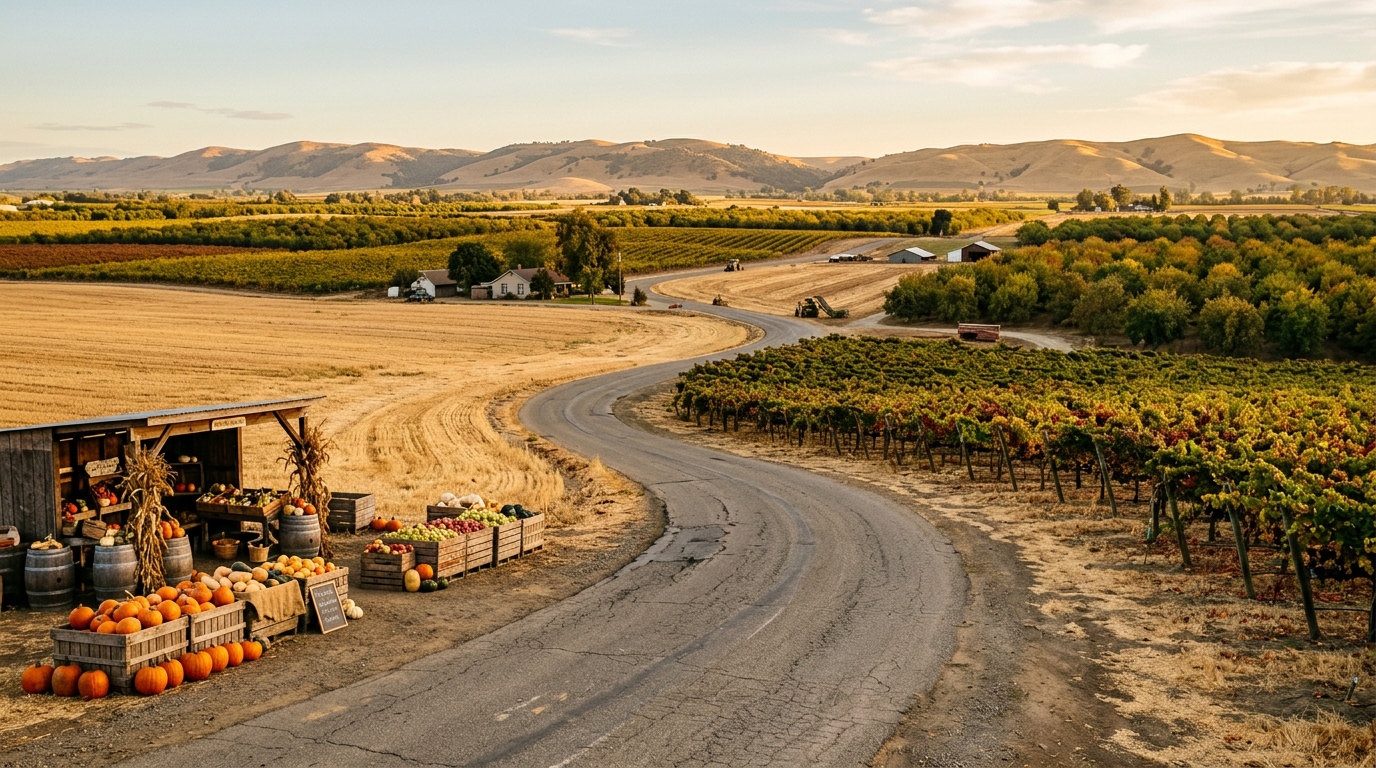
Fall is one of the best seasons for understanding what makes Yolo County different from a typical Northern California weekend destination. The landscape between Davis, Woodland, Winters, Capay Valley, and the Sacramento River is not simply scenic countryside. It is a working agricultural region shaped by orchards, tomato fields, vineyards, nut crops, seed production, livestock, farmers markets, and generations of people who make their living from the land.
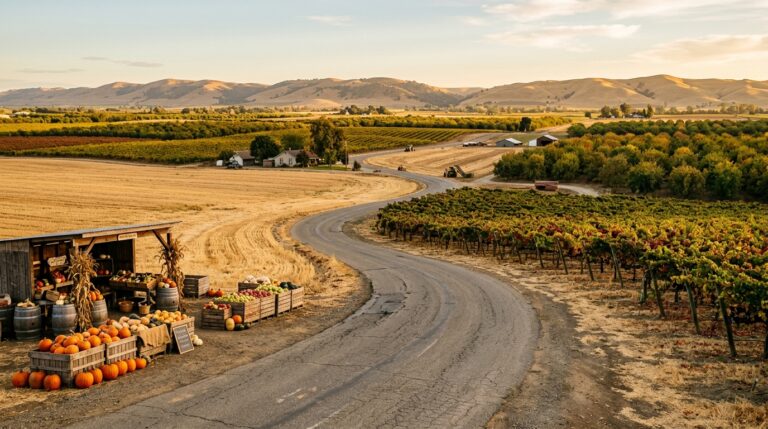
By September and October, the visual character begins to change. Harvested fields turn gold and brown, orchard rows become more pronounced, roadside farm stands shift toward autumn produce, pumpkins appear outside Davis, and cooler mornings make rural driving more comfortable. It is an ideal time to combine food, markets, small towns, and agricultural scenery into one relaxed road trip.
This itinerary is designed around places that clearly welcome visitors rather than encouraging people to enter working farms without permission. Always verify market schedules, farm hours, reservations, and weather shortly before leaving. For a broader introduction to local agriculture, see our Yolo County Food, Farms and Wine Guide. You can also use our Plan Your Visit page for transportation and seasonal planning.
Why Fall Is a Special Time to Explore Yolo County Farm Country
See the County During One of Its Most Important Agricultural Seasons
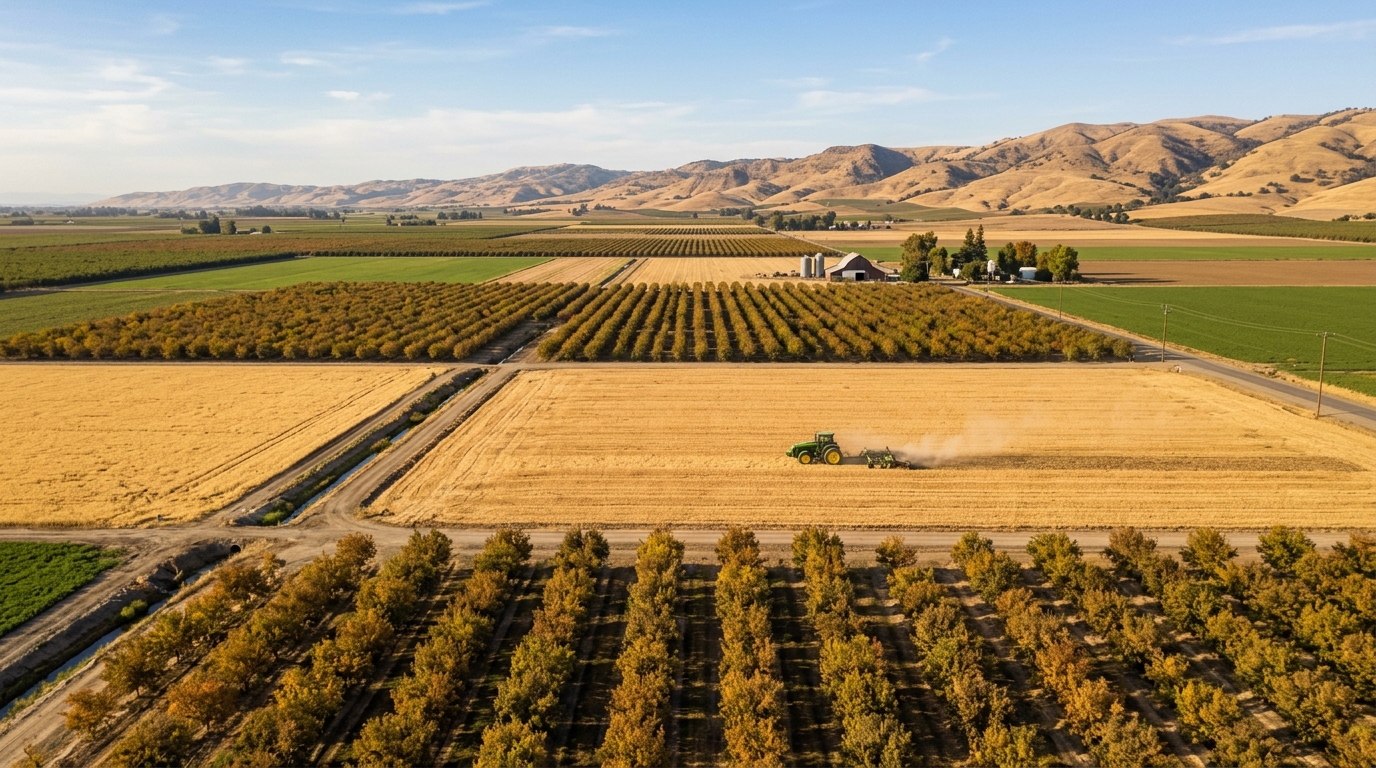
Agriculture is central to Yolo County’s economy and identity. According to the county’s latest released annual crop report, agricultural production was valued at more than $824 million in 2024. Almonds were the leading commodity by value that year, followed by processing tomatoes and wine grapes, with rice, pistachios, walnuts, organic production, nursery products, apiary products, and alfalfa also contributing to the agricultural economy.
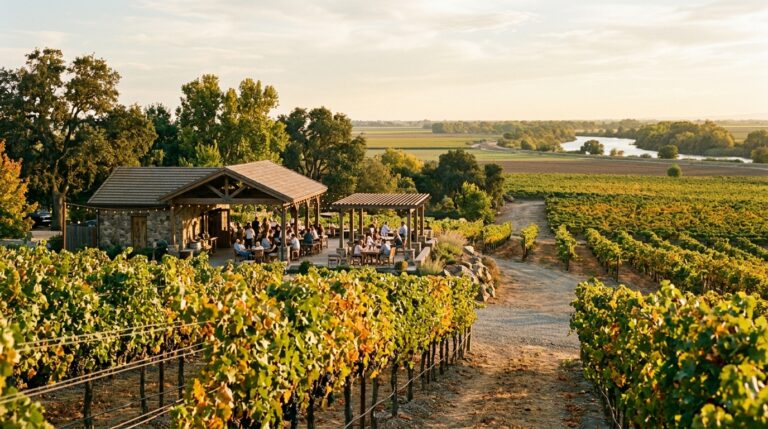
Visitors do not need to understand commodity statistics to appreciate what those numbers mean on the ground. Driving outside the cities reveals large blocks of orchards, intensely cultivated fields, grain operations, vineyard rows, irrigation infrastructure, farm machinery, packing facilities, and smaller diversified farms. Fall brings many of those elements into sharp focus because fields may be freshly harvested while neighboring orchards or vineyards remain active.
The landscape can change within a few miles. East and south of Woodland, broad agricultural fields dominate. West toward Winters and Capay Valley, rolling foothills begin framing the farmland. Around Davis, university research, specialty agriculture, markets, and smaller visitor-oriented farms add another layer to the experience.
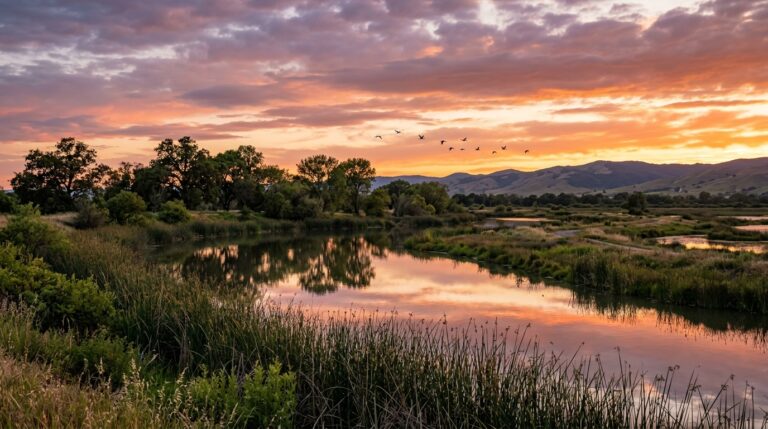
For travelers who have already explored Yolo County’s wetlands, the contrast is particularly interesting. Our Yolo Bypass Fall Birding Guide shows how agriculture and wildlife habitat overlap on the eastern side of the county, especially as autumn migration gains momentum.
When to Plan a September or October Harvest Drive
September often still feels like summer in Yolo County. Afternoon temperatures can remain high, but mornings are usually more comfortable for markets, walking, and scenic driving. Harvest activity is visible across much of the county, while late-summer produce can overlap with the beginning of autumn crops.
October generally delivers a more recognizable fall atmosphere. Pumpkin patches become a major family attraction, morning temperatures cool, and the agricultural landscape shifts further into harvest colors. Impossible Acres, just west of Davis, normally operates its pumpkin patch throughout October, weather permitting. Farm schedules are seasonal, so check directly before driving there.
A Saturday works especially well because both Davis and Woodland offer farmers-market opportunities during the fall season. The Davis Farmers Market operates year-round on Saturday mornings, while the Woodland Farmers Market’s Saturday season runs from May through October. Starting early also helps visitors avoid the warmest part of the day.
Do not expect dramatic New England-style foliage across every part of the county. Yolo County’s fall appeal comes from golden fields, orchard textures, changing vineyards, pumpkin patches, long shadows, harvest equipment, clear skies, and the contrast between green irrigated crops and dry California landscapes.
Remember That Scenic Farmland Is Still a Workplace
A rural road trip should never be treated as permission to enter a field. Most agricultural land is private property, even when the landscape looks inviting for photographs. Do not walk into orchards, vineyards, sunflower fields, tomato fields, barns, irrigation areas, or farmyards unless the owner clearly offers public access.
Likewise, avoid stopping a vehicle on narrow county roads simply for a photograph. Agricultural trucks, tractors, harvest equipment, cyclists, and local residents use these roads. Pull over only where parking is legal and completely clear of traffic, driveways, gates, irrigation infrastructure, and field entrances.
Drone photography requires particular caution. A farm visible from a public road is not automatically an appropriate drone location, and agricultural operations may involve workers, equipment, livestock, chemical applications, or private homes. Use designated public viewpoints or obtain permission rather than assuming aerial access is acceptable.
The best approach is to make farms and markets that actively welcome visitors the anchors of the trip, then enjoy the agricultural scenery naturally while moving between them.
Build a Davis-to-Woodland Fall Harvest Route
A simple harvest road trip can begin in Davis and finish in Woodland, with optional extensions west toward Winters or Capay Valley. Starting in Davis provides coffee, breakfast, public facilities, and one of the region’s best-established farmers markets before the drive moves into open agricultural country.
Start Saturday Morning at the Davis Farmers Market
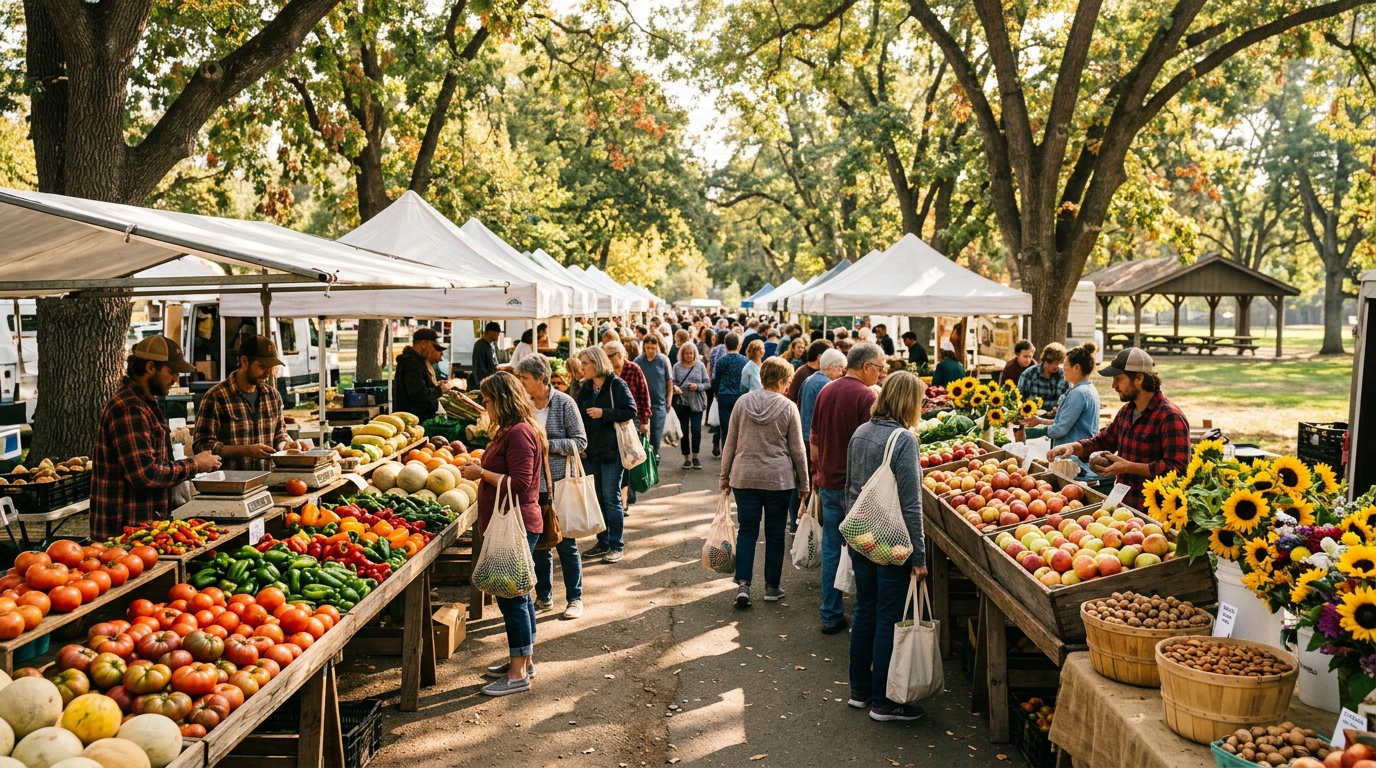
The Davis Farmers Market in Central Park is open year-round on Saturdays from 8 a.m. to 1 p.m. Its sellers include growers and producers offering fruits, vegetables, nuts, meats, eggs, flowers, baked goods, prepared foods, and other regional products. Because the vendor mix changes seasonally, fall is a good opportunity to see what is actually being harvested rather than arriving with a fixed shopping list.
Bring reusable bags and a cooler if purchasing produce, cheese, meat, or other temperature-sensitive items for later in the day. Buy selectively; leaving delicate produce inside a hot vehicle during a long road trip can quickly ruin it.
Allow roughly 60 to 90 minutes for the market and Central Park. Visitors who want a longer Davis morning can add a walk downtown or use the route from our Car-Free Weekend in Davis Guide. For a harvest road trip, however, resist spending half the day in the city. The agricultural landscape becomes the main attraction once you leave town.
Before departing, refill water and confirm the next destination’s hours. Rural Yolo County has fewer convenient stops than downtown Davis, and cellular service may become less reliable on some western routes.
Continue Through Woodland and the Agricultural Heart of the County
From Davis, continue toward Woodland using a route appropriate for current road conditions rather than deliberately searching for the narrowest possible farm roads. The drive quickly illustrates the scale of Yolo County agriculture. Depending on the exact route and harvest timing, travelers may pass orchards, open fields, processing crops, grain operations, and farm equipment moving between properties.
Woodland provides a useful second anchor. In 2026, the Woodland Farmers Market is celebrating 30 years of serving the community. Its Saturday market operates from May through October from 9 a.m. to noon on First Street across from the Woodland Public Library. The market emphasizes goods sourced from within about an hour of Woodland, making it especially relevant to a local-food road trip.
If the market is still operating when you arrive, compare it with the larger Davis market rather than expecting the same experience. Otherwise, use Woodland for lunch and a walk around its historic core. The city reflects the county’s agricultural history in a different way than Davis, making the two stops complementary rather than repetitive.
From Woodland, travelers with additional time can turn west. Winters offers a compact downtown and a natural gateway toward western Yolo County, while Capay Valley provides a more rural setting framed by foothills. Read our Yolo County Communities Guide before deciding which extension best matches your schedule.
Turn the Harvest Drive Into a Complete Fall Day
Add Pumpkins, Capay Valley, or a Relaxed Small-Town Finish
Families traveling in October can add a pumpkin stop near Davis. Impossible Acres describes its pumpkin patch as an October operation, typically open daily from 9 a.m. to 6 p.m., weather permitting. Because farm conditions can change quickly, verify the current schedule and availability directly before visiting rather than relying on an old social-media post.
Another option is to continue west toward Capay Valley. This route works best for travelers who enjoy agricultural scenery and deliberately slow travel. Do not expect every farm along the road to offer tours or a farm stand. Choose a specific public-facing business, tasting room, restaurant, event, or reserved experience before setting out.
Capay Valley also demonstrates why Yolo County’s agricultural story is more complex than pumpkins and roadside produce. Orchards, vineyards, vegetables, nuts, livestock, and other crops occupy the valley floor beneath wooded hills. The scenery can feel dramatically different from the flatter landscapes around Davis and Woodland even though the driving distance is modest.
If you prefer less driving, finish in Winters. A late lunch, coffee, or early dinner creates a comfortable final stop before returning toward Davis, Sacramento, or Interstate 80. This also keeps the itinerary manageable for families and visitors who began at the farmers market early in the morning.
Photography
Photography is usually best late in the afternoon when lower light emphasizes field textures and orchard rows. Photograph from legal public locations, avoid blocking roads, and never climb fences or enter private land for a better angle.
Fall is also an excellent season for combining agricultural travel with nature. Early risers could devote a separate morning to the wetlands using our Yolo Bypass Fall Birding Guide. Travelers with two full days can instead follow the structure in our Yolo County Weekend Itinerary, using one day for markets and farm country and the other for communities or outdoor experiences.
The most rewarding Yolo County harvest road trip is not a race between farm attractions. Start at a market, purchase something grown locally, watch how the landscape changes between communities, and give yourself enough time to stop only where visitors are genuinely welcome. Agriculture is what makes the route interesting, but respecting agriculture is also what makes the route sustainable.
Check current business hours, farm conditions, weather, road closures, and event schedules before departure. Then leave some room in the itinerary for what harvest season does best: turning an ordinary drive between Davis, Woodland, Winters, and the western valleys into a closer look at the land that shapes Yolo County.